My Story
I Didn't Get Here in a Straight Line.
I've reinvented my work more times than I can count, changed my mind when I learned something better, survived things I never would have chosen, and started over when it would have been much easier to stay where I was.
Somewhere in all of that, the question I've been asking for most of my adult life changed too.
For years, it was:
How do we help people heal?
Today, I'm asking something bigger:
What does it take to become fully alive?
This is how I got from one question to the other.
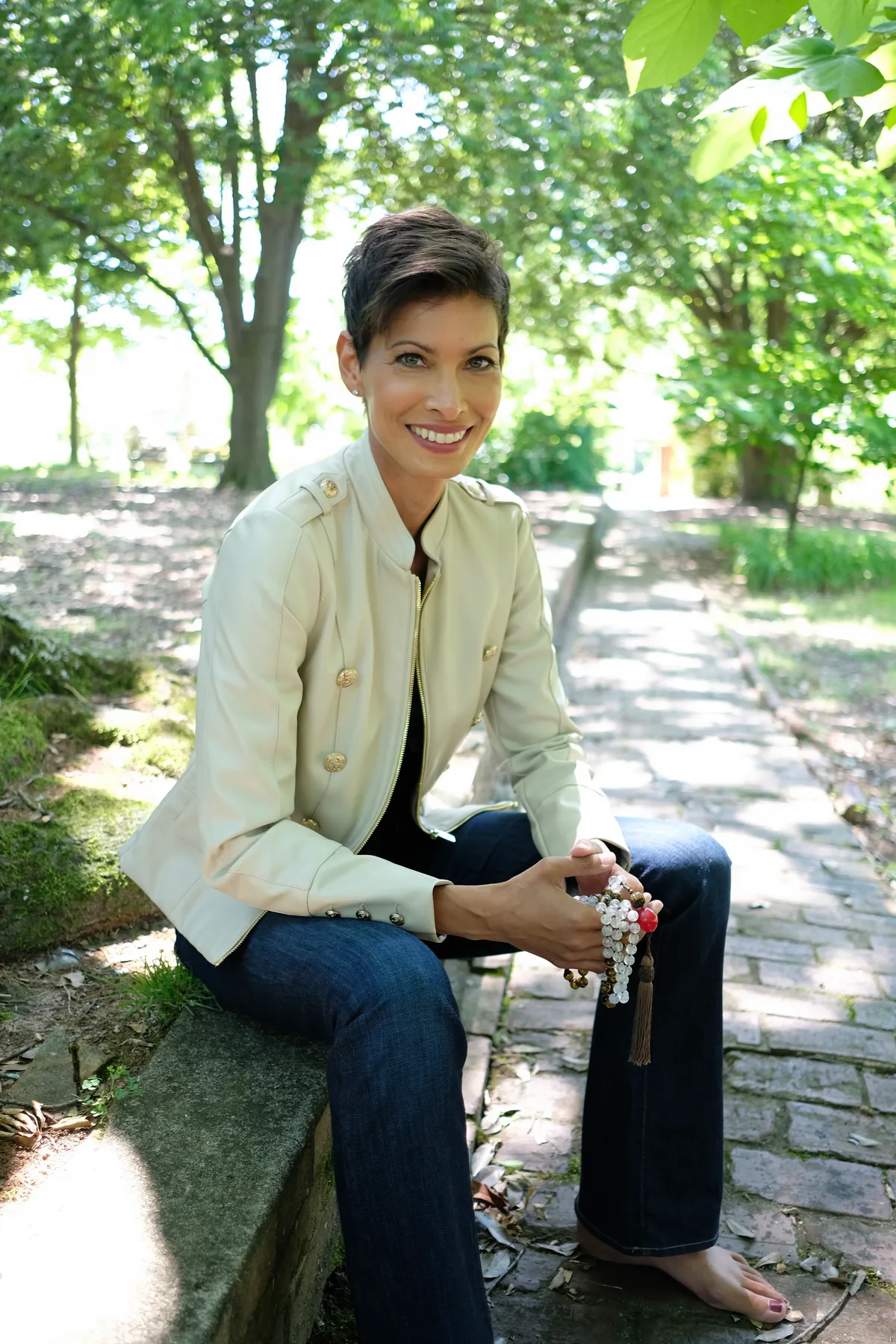


Where It Started
Detroit Made Me.
I'm the youngest of four kids raised by a single mother in Detroit. There wasn't child support, a big extended family nearby, or much extra money. My mom worked, figured things out and somehow kept all four of us moving forward.
I learned a lot by watching her.
I also learned what happens when you're the youngest child in a big family: you become independent pretty quickly, you learn how to keep up, and you develop a fairly high tolerance for chaos.
Detroit added its own education. I grew up with a strong sense that you worked hard, handled what needed handling, looked out for your people and didn't expect life to arrange itself around your comfort.
Some of that has served me beautifully.
Some of it I've spent the rest of my life unlearning.
I knew very young that I wanted to become a doctor. Although technically, that was Plan B.
Plan A was becoming a jockey.
Unfortunately, by about seven years old I was already taller than most adult male jockeys, so someone eventually explained that my dream had a fairly obvious logistical problem.
I was devastated.
Doctor it was.
When the Plan Changed
My Body Changed the Direction of My Life.
I was an athlete growing up, and sports were a huge part of my identity.
When I was sixteen, I injured my back climbing over a fence after a soccer game. I did what most teenagers would do: took what the doctor gave me, and went right back to living my life.
A friend eventually suggested I see her brother, who was a chiropractor.
My response was basically, "What's that?"
I went. He helped me. And for the first time, I had an experience that didn't fit neatly into what I thought I understood about healthcare.
I wish I could tell you that I immediately became the world's most compliant patient and discovered my life's calling.
I did not.
I was a teenager. I felt better, stopped doing what I was supposed to do, got hurt again, went back, ignored my exercises, and generally behaved exactly like the kind of patient who would later drive me crazy.
Then college changed the stakes.
During a soccer game, I suffered a concussion and injuries to my spine that eventually left me dealing with herniated discs, periods of losing feeling and motor control in my leg, and the terrifying possibility that sports, and potentially much more, might be over for me.
That was harder to dismiss.
I spent months doing rehabilitation, traction, and everything I could to get my body back. I improved enough to return to recreational sports, but something had shifted.
I had become deeply curious about the body, why some things helped, why other things didn't, and why different practitioners could look at the exact same person and see completely different possibilities.
That curiosity followed me into college. I started studying nutrition and training, became a personal trainer, and found myself increasingly fascinated by the relationship between the brain, body, behavior, and healing.
I had always planned to become a doctor.
I just hadn't realized yet that the kind of doctor I wanted to become was changing.
"I had always planned to become a doctor. I just hadn't realized yet that the kind of doctor I wanted to become was changing."
Becoming Dr. Rimka
I Never Stopped Studying.
My professional life actually began before I ever went to graduate school.
At eighteen, I started coaching Special Olympics. By my early twenties, I was working in mental health, spending my days with people whose brains, bodies, and lives didn't always behave the way the textbooks said they should.
By the time I entered graduate school, I already knew I wasn't interested in simply treating backs and necks. I was fascinated by the brain, human behavior, and the enormous number of things that can influence how a person feels and functions.
That curiosity became the pattern of my career.
When I didn't understand something, I studied it. When what I knew wasn't enough to help someone, I went looking for another piece of the puzzle. I took courses, pursued additional training, found mentors, completed apprenticeships, and learned directly from people whose clinical results I respected.
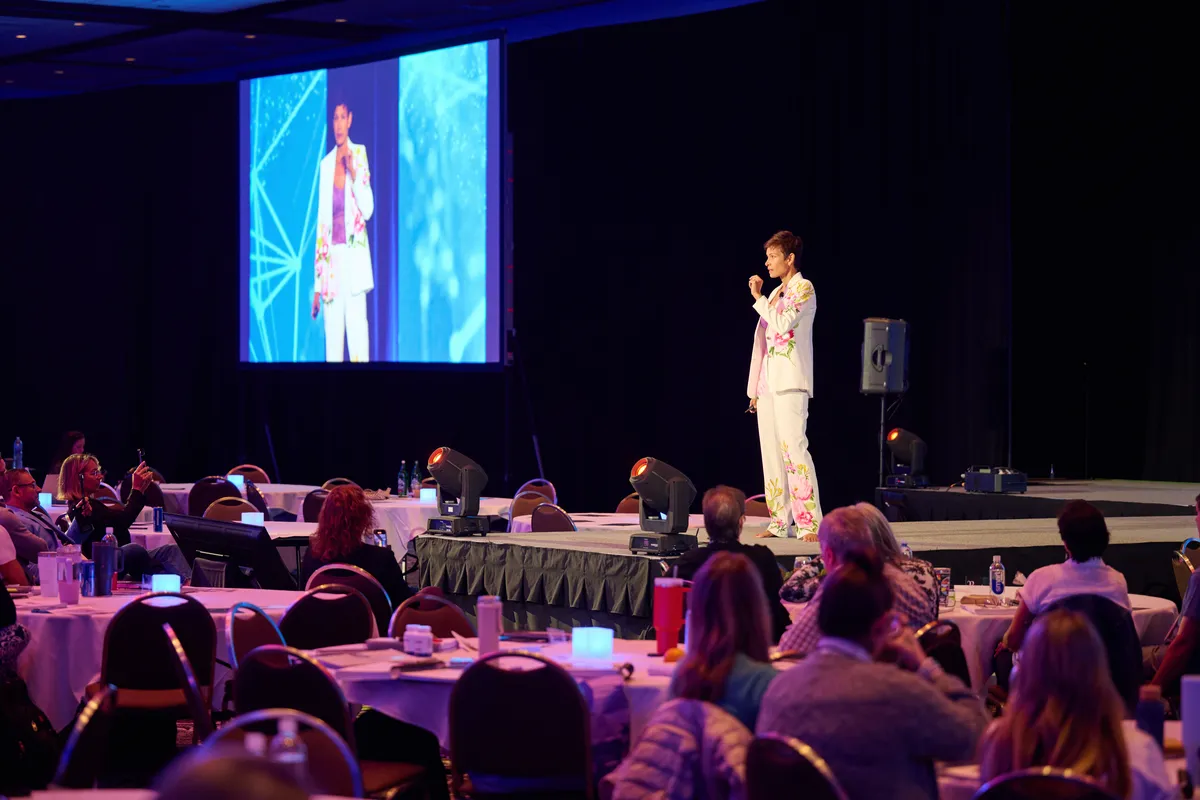
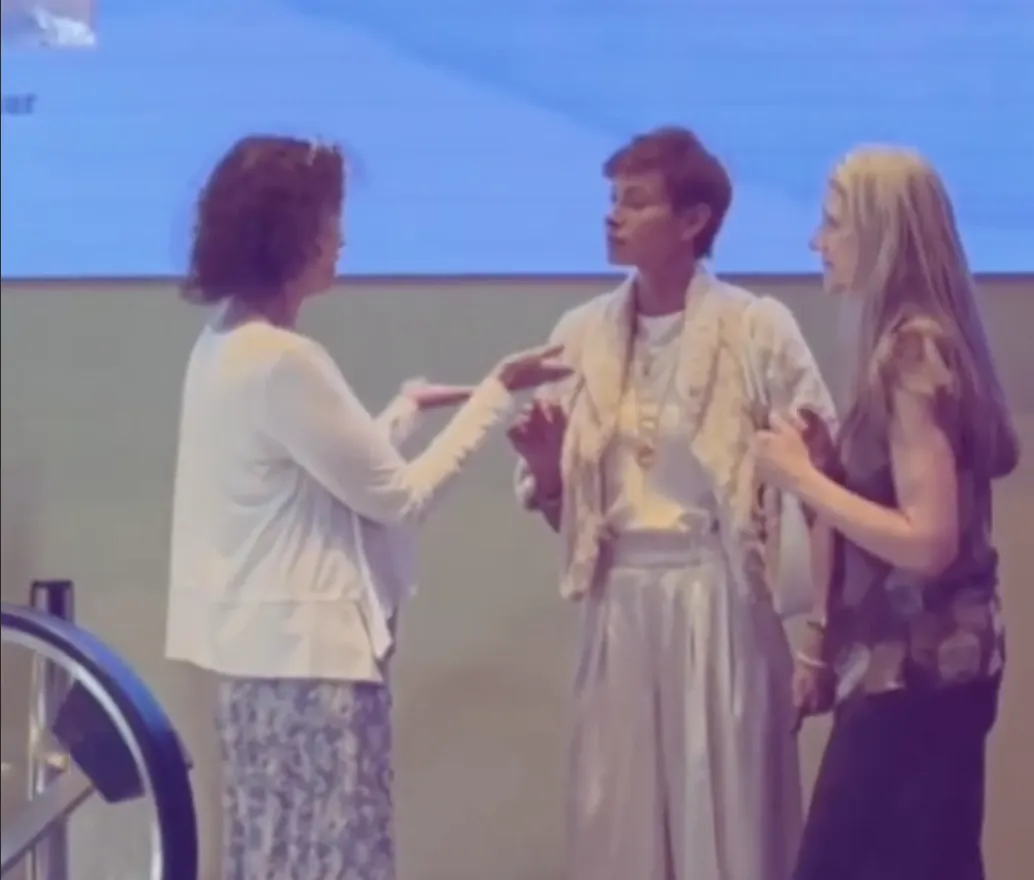
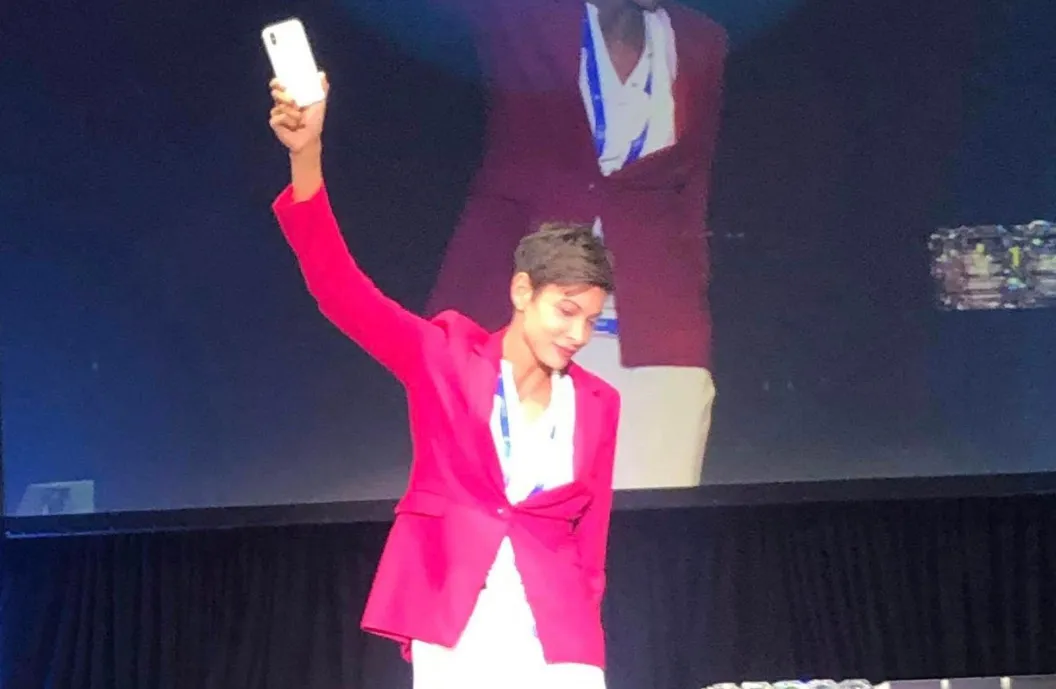
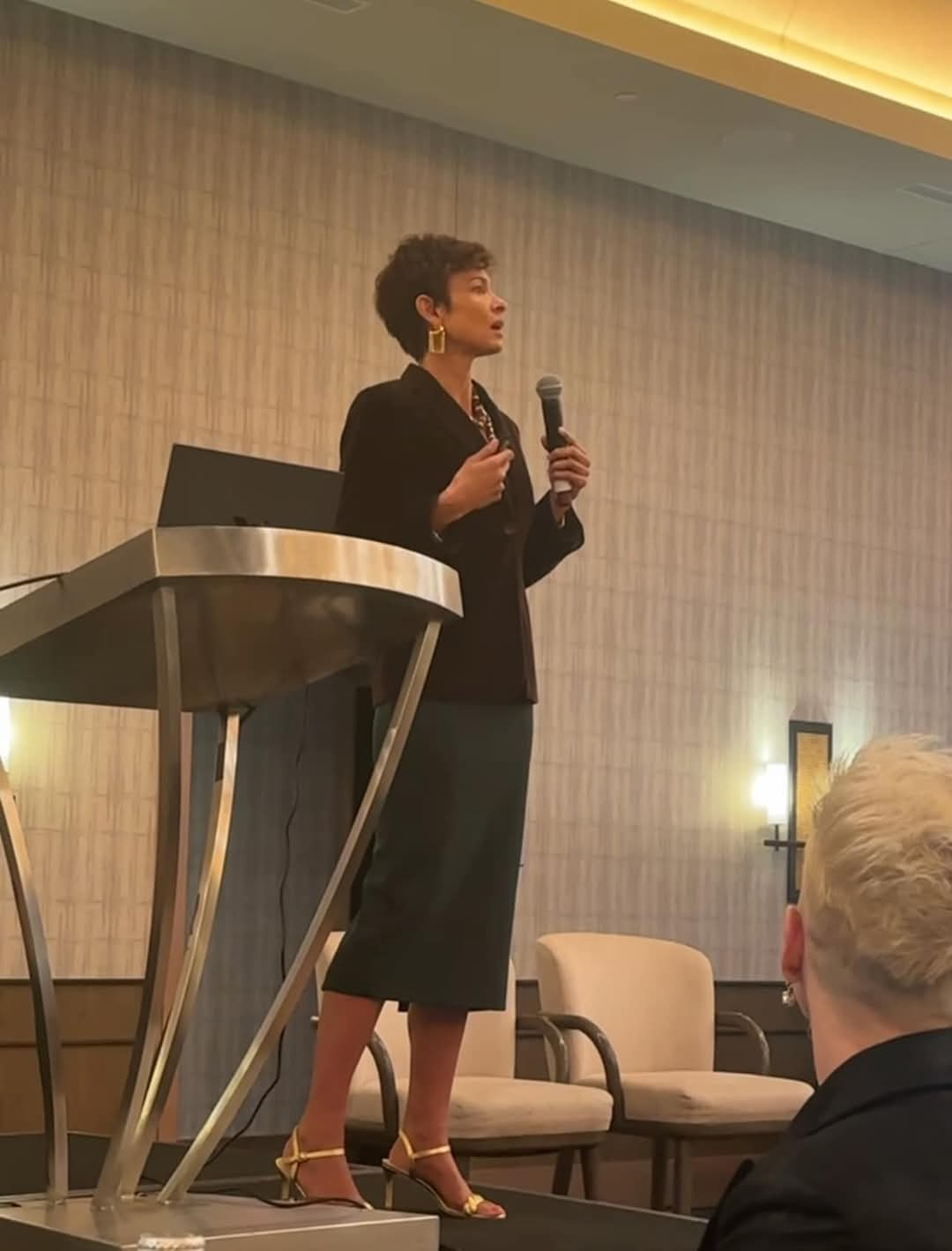
Over the years, that took me through neurology, neurodevelopment, nutrition, psychology, trauma, neurofeedback, functional medicine, genetics, hormones, detoxification, peptides, bioregulators, longevity, nervous system regulation, and bioenergetics.
I built a clinical practice around that curiosity and spent decades working with children, adults, and families whose cases often didn't fit neatly into a single diagnosis or specialty.
Eventually, I began teaching too.
I taught patients and families, trained other practitioners, created courses and programs, spoke from stages, taught at conferences, and became founding faculty at My Peptide University.
The subjects changed over the years, but the reason I kept learning never really did.
I wanted to understand why some people got better when others didn't, and what we might be missing when they didn't.
Thirty-plus years later, I'm still asking questions.
I just ask much bigger ones now.
The Question Kept Getting Bigger
Health Was Never Just About Health.
For most of my career, I was trying to answer one question:
How do we help people heal?
I kept adding disciplines because every time I learned something new, I could see another piece of the picture.
The brain mattered. Nutrition mattered. Trauma mattered. Genetics mattered. The nervous system mattered. Relationships mattered. Environment mattered. Mitochondria mattered. What happened to us mattered, and so did what we believed about ourselves and the world around us.
The longer I worked with people, the harder it became to separate any of it.
I also became increasingly comfortable saying, "I don't know."
Some of the things I believed early in my career changed as I learned more. Some of the things considered unconventional when I first began eventually became much more widely understood. And plenty of what we think we know today will probably change again.
I don't see that as a problem.
I think being willing to question what we know is part of the work.
Over time, my interest expanded beyond helping people get rid of symptoms. I became much more interested in capacity:
How much life can a nervous system hold?
How much energy can a body produce? How well can we adapt, connect, recover, create, love, work, play and receive?
Without realizing it at first, the question was already becoming bigger than health.
When Life Changed the Question
Then Life Taught Me What the Textbooks Couldn't.
There are things you can study for decades and still not fully understand until life puts you inside of them.
In June of 2024, my dad died. Less than two weeks later, my partner, Chip, received a heart transplant. What should have been the beginning of a second chance became months of hospitals, medications, complications, hope, fear and caregiving, all while I was trying to keep the rest of my life and business moving.
On January 2, 2025, Chip died in my arms.
Within six months, I had lost two of the people I loved most, and no amount of education, professional experience or understanding of the nervous system could make grief something I could simply manage my way through.
For most of my life, when something was difficult, I worked harder. I studied more. I figured it out. I fixed what I could fix and kept moving.
This wasn't something I could fix.
I stepped away from much of my work for a while because I needed to, and when I eventually came back, I realized I wasn't interested in simply returning to the life I'd had before.
Grief has a way of rearranging what matters. Things that once felt urgent suddenly weren't, while questions I had managed to postpone became much harder to ignore.
I had spent decades asking how to help people become healthier, but I was beginning to understand that health, by itself, was never the whole point.
Because what good is extending a life if we're too exhausted, disconnected, afraid, busy or overwhelmed to actually experience it?
That led me to a different question:
What makes a life rich enough that we're actually living while we're here?
I didn't have an immediate answer, and I still don't believe there is only one.
But I knew I couldn't go back to asking the smaller question.
Starting Over
I Didn't Retire.
I Closed a Chapter.
Eventually, I had to decide whether I wanted to rebuild the life I'd had before everything changed, and the answer was no.
That was true personally, but it was also true professionally. After more than thirty years of caring for people directly, I made the decision to step away from 1:1 patient care. It wasn't because I'd stopped caring about health or lost my love for the science, and it certainly wasn't because I'd run out of things I wanted to teach. I simply knew I didn't want the next chapter of my life to look exactly like the last one.
So I moved to Florida and gave myself something I hadn't had in a very long time: room to reconsider what I actually wanted.
I started thinking differently about how I wanted to spend my days, how I wanted to work, what I wanted to build, who I wanted around me, and what I wanted to have room for in my life again.
There were plenty of things I had no intention of leaving behind. I still loved teaching. I still loved my communities. I was still endlessly curious about the brain, the body, the nervous system, and why human beings work the way they do. None of that disappeared simply because I stopped seeing patients.
What changed was that I finally had room for the rest of the conversation.
I wanted to talk about freedom and relationships, receiving and purpose, money and adventure, belonging and play. I wanted to explore why we can work so hard to become healthy, successful or accomplished, and still struggle to actually enjoy the life we've created.
And I began to understand that I wasn't walking away from thirty years of work at all.
I was taking everything those thirty years had taught me and asking what else I could build with it.
Starting Over
I'm Still Figuring It Out, Too.
I wish I could tell you that all of this brought me to some perfectly clear conclusion about what it means to live a good life.
It didn't.
What I have now is more than three decades of professional experience, an enormous amount of education, a lifetime of experiences I didn't always ask for, and probably more curiosity than I've ever had.
I still care deeply about health. I'm still fascinated by the brain, the nervous system, mitochondria, longevity, and all of the science I've spent my career studying. I don't see myself ever walking away from that.
I just don't want health to become the thing we spend our whole lives chasing while forgetting why we wanted it in the first place.
I want enough health to live. Enough freedom to make choices about how I spend my time and who I spend it with. Work that matters to me. People I love. New places to see. Things that make me laugh. Room to change my mind, try something new, make mistakes, start over, and keep becoming whoever I'm going to become next.
And I want people to share it with.
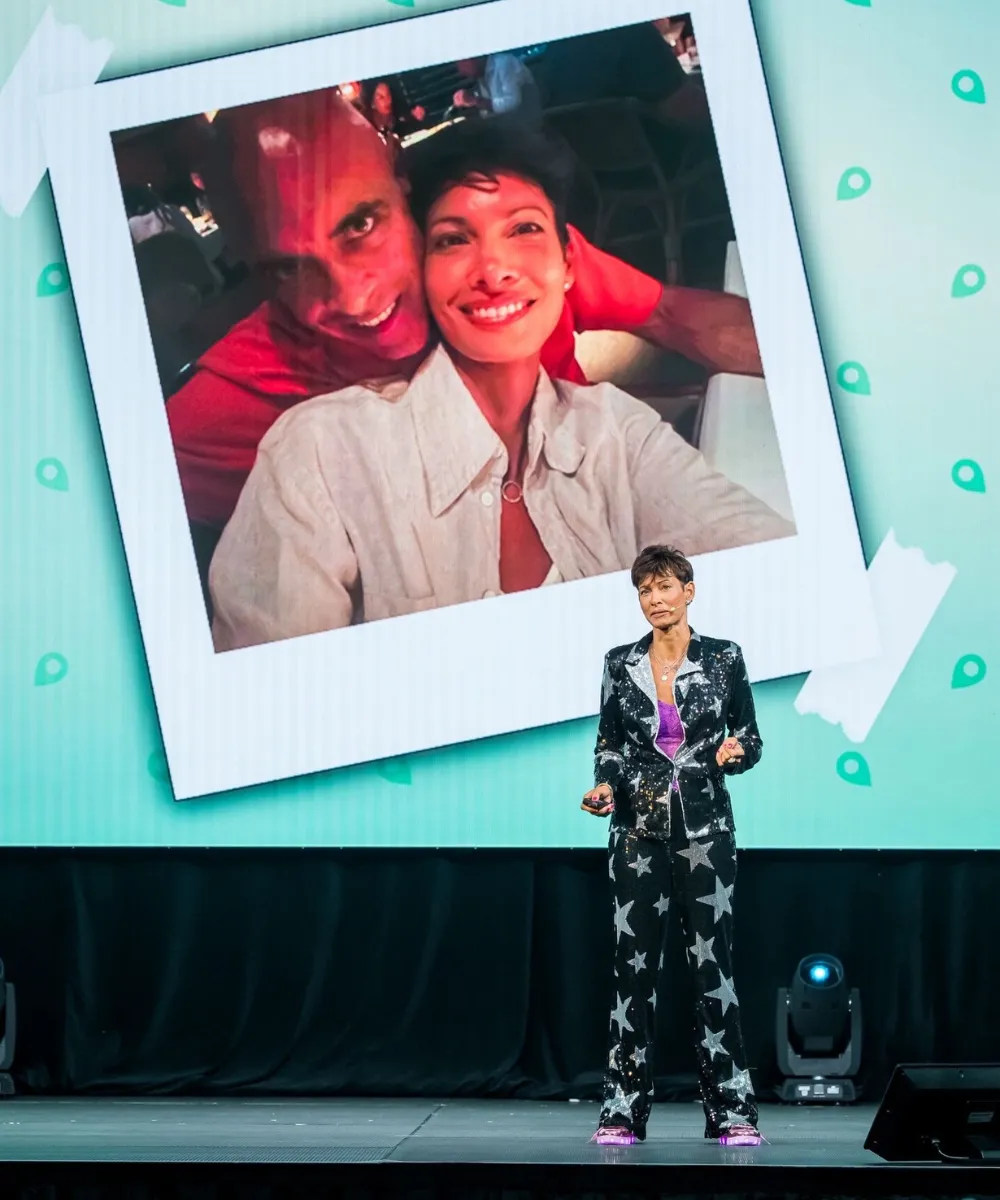
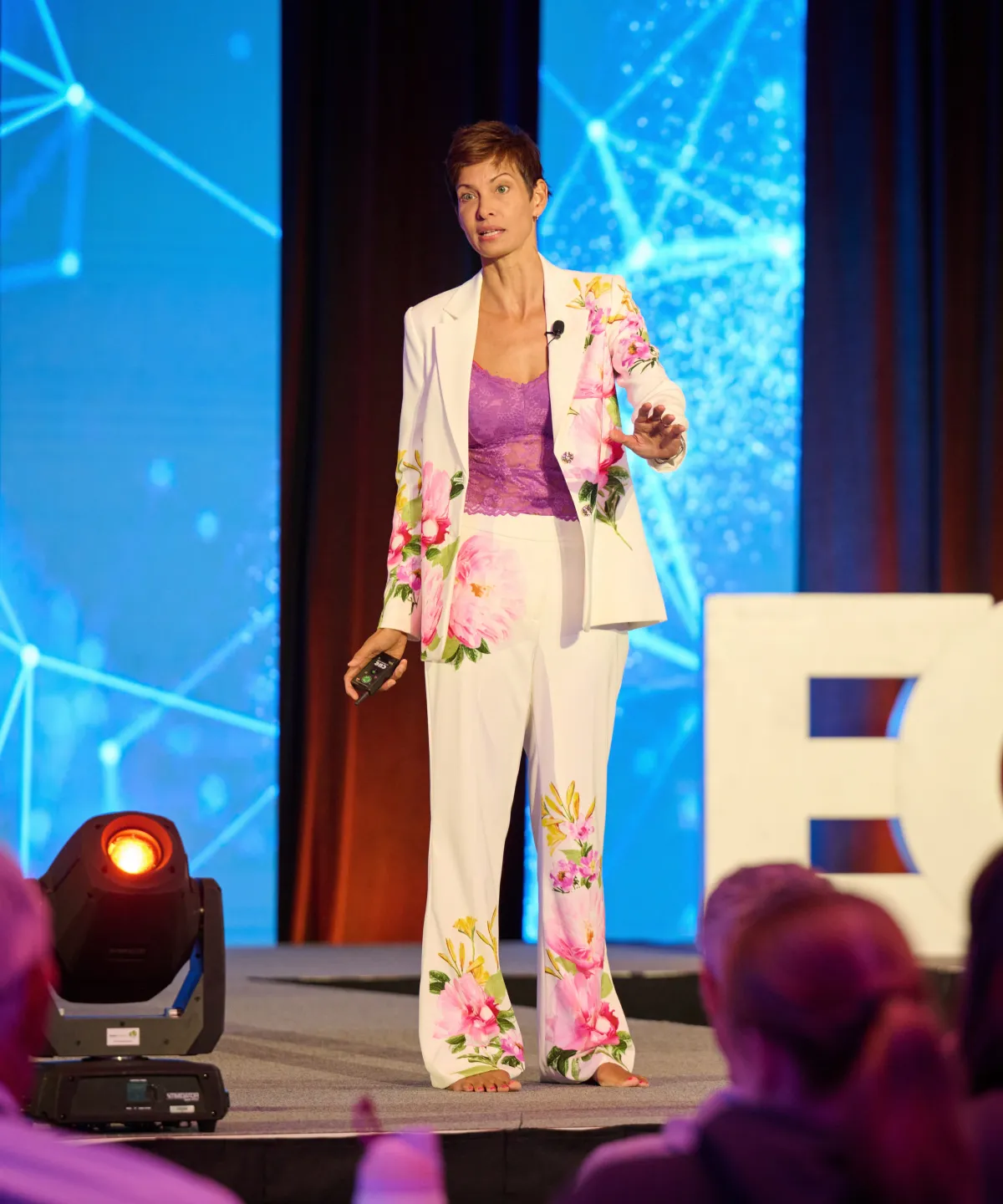
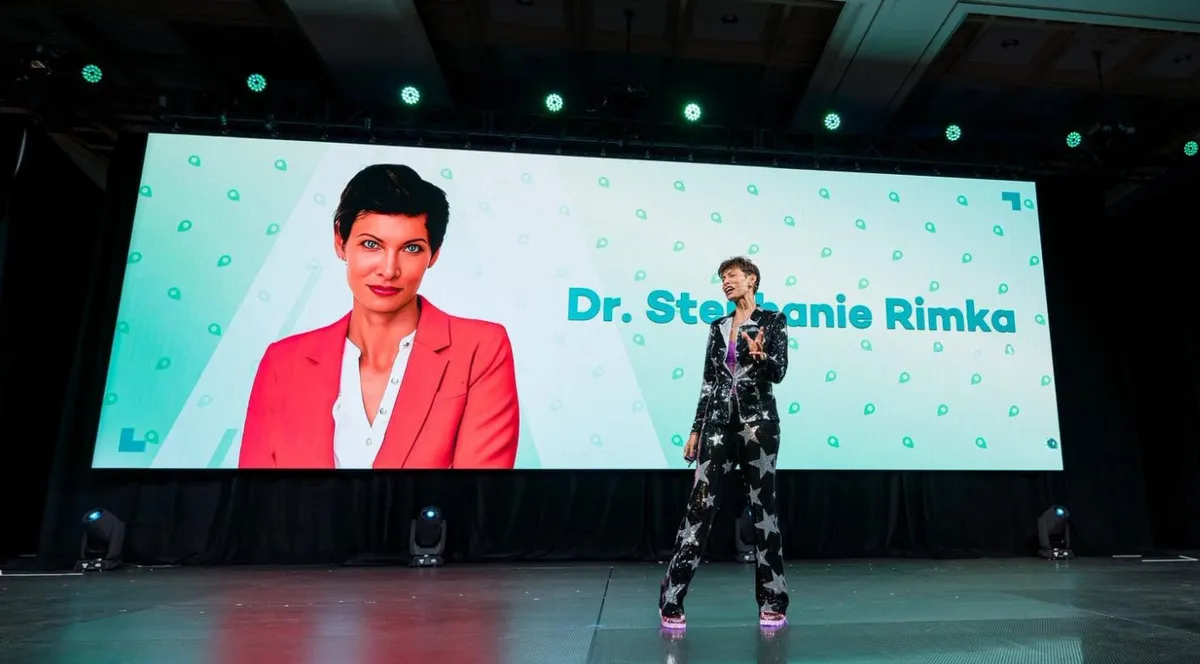
That's probably the biggest shift of all. I'm teaching more than treating now. I'm writing, speaking, traveling, creating courses, building communities, gathering people together, and following conversations that would never have fit neatly inside my old clinical practice.
Some of those conversations are about health. Others are about freedom, money, love, relationships, receiving, adventure, purpose, or belonging. To me, they're no longer separate subjects. They're all part of the same question:
How do we build a richer life?
I don't have a formula for that, and I'm not interested in pretending that I do.
I'm building mine, too.
And if something I've learned along the way can help you build yours, I'd be honored to walk beside you for part of it.